Why Light Weight Aluminum Foundry Castings Supply Outstanding Corrosion Resistance for Outdoor Products
Aluminum shop castings are progressively preferred for outdoor items due to their exceptional deterioration resistance. This characteristic comes from the development of a safety oxide layer that forms normally when light weight aluminum is revealed to oxygen. This layer not just functions as an obstacle against moisture and destructive agents but additionally possesses self-healing residential or commercial properties. Comprehending the chemistry behind this process exposes why aluminum is a leading choice for exterior applications, raising inquiries concerning its efficiency compared to various other materials.
The Chemistry Behind Aluminum's Corrosion Resistance
Light weight aluminum's amazing deterioration resistance is largely attributed to its distinct chemical properties. As a lightweight steel, aluminum responds with oxygen to develop a secure layer of aluminum oxide on its surface area. This oxide layer acts as a barrier, preventing further oxidation and safeguarding the underlying steel. The highly reactive nature of light weight aluminum enables it to create strong bonds with other elements, resulting in a safety film that prevents the infiltration of wetness and destructive agents.
Additionally, aluminum displays a low thickness and a high strength-to-weight proportion, making it suitable for different applications, particularly in exterior settings. Its resistance to matching, gap rust, and stress and anxiety corrosion cracking additional enhances its durability. When revealed to ecological elements, the intrinsic homes of light weight aluminum decrease the risk of deterioration, making it a perfect option for outside items. This mix of chemical attributes assures that aluminum preserves its structural integrity even in tough problems.
The Duty of the Protective Oxide Layer
An essential facet of light weight aluminum's rust resistance hinges on the safety oxide layer that develops naturally upon exposure to oxygen. Aluminum Casting Company. This layer, composed mostly of aluminum oxide, acts as an obstacle in between the steel and outside ecological aspects, greatly reducing the probability of additional deterioration. The oxide layer is typically just a couple of nanometers thick, yet it is incredibly effective in preventing dampness and destructive agents from penetrating the underlying aluminum
The development of this oxide layer occurs rapidly and uniformly, adding to the total resilience of aluminum foundry castings. Significantly, the protective layer is self-healing; if damaged, it can promptly change, keeping its protective top qualities. This one-of-a-kind characteristic sets light weight aluminum apart from several various other steels, using a considerable benefit in outdoor applications where direct exposure to extreme conditions is typical. The oxide layer plays a critical function in boosting the longevity and performance of aluminum products used in exterior environments.
Comparison With Various Other Materials
While aluminum uses outstanding deterioration resistance due to its protective oxide layer, various other materials present differing levels of resilience and upkeep demands in outdoor applications. Steel, for example, is vulnerable to rusting when exposed to wetness, demanding regular painting and upkeep to stop degeneration. Stainless-steel, while much more resistant to deterioration than normal steel, still requires upkeep to maintain its appearance and honesty.
On the other hand, plastics such as PVC and polyethylene are very immune to corrosion and do not need painting; nevertheless, they may experience UV deterioration in time, bring about brittleness and staining. Copper and brass can create a patina that some find visually pleasing, yet they are not unsusceptible to rust in harsh atmospheres. Eventually, while aluminum stands apart for its mix of lightweight toughness and reduced upkeep, other products may serve particular purposes yet usually featured their own limitations and care requirements.
Applications of Aluminum Castings in Outdoor Products
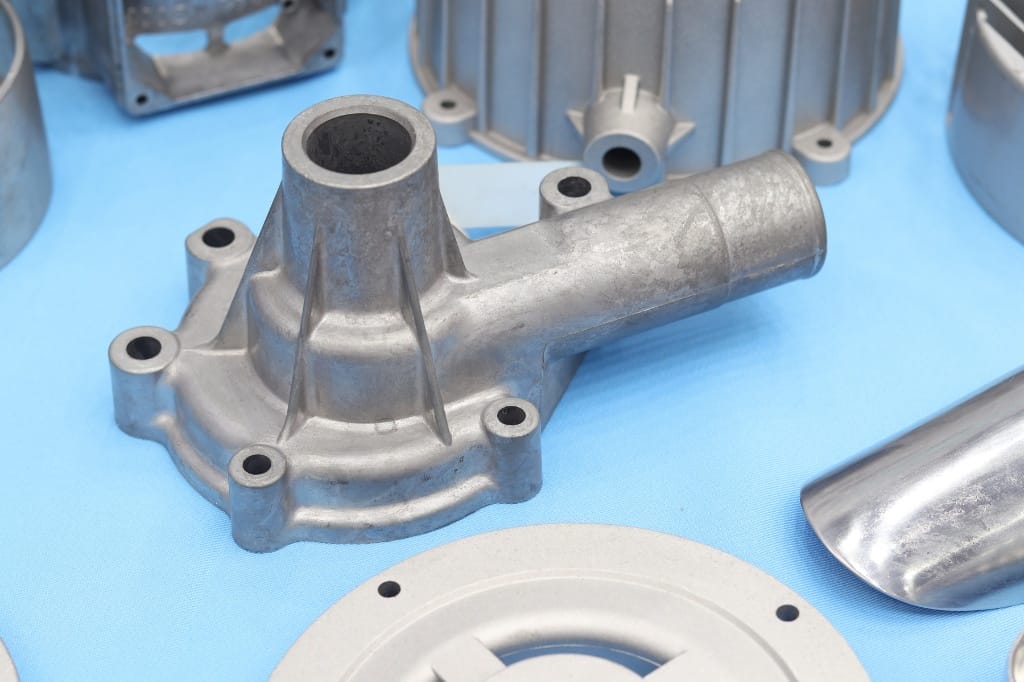
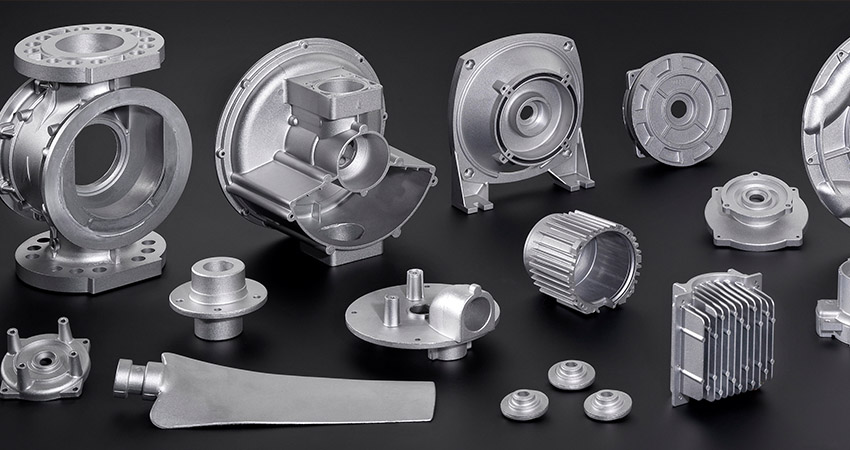
Numerous applications benefit from light weight click for more aluminum spreadings in exterior products, showcasing the product's versatility and efficiency. From yard furniture and outdoor lights fixtures to building components and entertainment tools, aluminum castings provide toughness and aesthetic allure. Their lightweight nature makes them optimal for portable things, such as barbecue tables and barbecue grills, while their resistance to rust warranties long life in different weather. In enhancement, aluminum spreadings are usually made use of in aquatic applications, including watercraft installations and dock elements, where exposure to wetness is constant. The capability to accomplish complicated shapes through casting processes permits suppliers to produce distinct layouts that improve functionality and design. Light weight aluminum's ability to be quickly repainted or coated includes to its flexibility, allowing outdoor items to mix effortlessly with various settings. Generally, aluminum spreadings work as a dependable option for a large range of exterior applications, adding to both durability and aesthetic appeal.
Maintenance Tips for Light Weight Aluminum Outdoor Products
Correct maintenance of light weight aluminum outdoor products is vital to secure their longevity and visual appeal. Regular cleaning is essential; a gentle clean with mild soap and water will get rid of dirt and crud without harming the surface - Aluminum Casting. For persistent discolorations, a soft brush can be employed, preventing harsh abrasives that might scrape the aluminum
Inspecting for signs of wear, such site link as scrapes or staining, is necessary. Using a quality light weight aluminum polish can bring back the luster and offer a protective layer against the aspects if discovered. Additionally, it is suggested to save aluminum products in a protected area throughout harsh climate condition to stop unneeded exposure.
Using a coat of wax regularly can enhance rust resistance and develop an obstacle against dampness. By complying with these maintenance ideas, people can ensure that their aluminum outside products continue to be practical and aesthetically appealing for several years to come.
Regularly Asked Concerns
Just How Is Aluminum Cast In A Different Way From Various Other Metals?
Light weight aluminum casting varies from various other metals mainly as a result of its reduced melting factor, making it possible for more detailed designs. Furthermore, light weight aluminum's light-weight nature and outstanding fluidness during casting procedures contribute to its one-of-a-kind manufacturing benefits contrasted to larger steels.
Can Aluminum Corrode in Saltwater Settings?
Light weight aluminum can wear away in saltwater settings, especially when subjected to electrolytic conditions. Its deterioration resistance can be boosted via safety coatings or anodization, making it suitable for different exterior applications in spite of possible corrosion threats.
What Are the Recycling Advantages of Aluminum Castings?
Just How Does Temperature level Affect Aluminum's Corrosion Resistance?
Temperature substantially influences aluminum's deterioration resistance; greater temperatures can accelerate oxide layer failure, causing enhanced vulnerability to corrosion. Conversely, reduced temperatures commonly improve safety layer stability, boosting total longevity against corrosive atmospheres.
Exist Any Health And Wellness Dangers Connected With Aluminum Outdoors?
Aluminum, when used outdoors, typically presents minimal health and wellness threats. However, extreme exposure to aluminum dirt or bits may cause respiratory system problems in delicate individuals, stressing the importance of correct handling and usage in outside environments.
Aluminum shop castings are significantly preferred for outdoor products due to their impressive deterioration resistance. As a lightweight metal, light weight aluminum responds with oxygen to create a stable layer of aluminum oxide on its surface. When subjected to ecological elements, the integral residential or commercial properties of light weight aluminum reduce the danger of corrosion, making it an optimal option for outdoor products. While light weight aluminum provides exceptional corrosion resistance due to its protective oxide layer, various other materials present differing levels of resilience and upkeep needs in exterior applications. Temperature substantially influences light weight aluminum's corrosion resistance; greater temperature levels can browse around this web-site accelerate oxide layer failure, leading to increased vulnerability to deterioration.